

The ATM Reckoning: Crypto Giants Under Fire for Fueling Scam Infrastructure
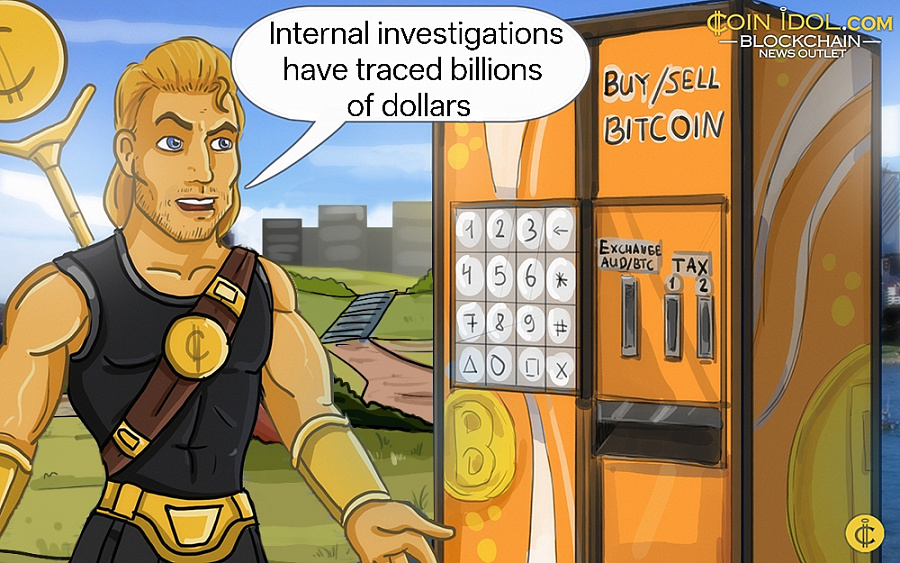
The once-ubiquitous Bitcoin ATM—those familiar kiosks in gas stations and convenience stores designed for easy cash-to-crypto conversion—is facing an existential crisis.
Throughout May 2026, a wave of legislative crackdowns has swept across North America, with governments in Canada, Tennessee, Minnesota, and Indiana proposing or enacting outright bans. The primary catalyst for this aggressive regulatory posture is the well-documented role these machines play in facilitating fraud.
The investigation
Law enforcement agencies have repeatedly characterized them as the "preferred off-ramp" for criminal syndicates, particularly those targeting the elderly through sophisticated impersonation scams.
However, the most significant development this week is the expanding scope of the investigation. Authorities are no longer targeting only the ATM operators; they are beginning to scrutinize the major cryptocurrency exchanges that supply the liquidity for these machines.
A domino effect
According to investigative reports released by the International Consortium of Investigative Journalists (ICIJ), global giants like Kraken have continued to facilitate massive transfers of Bitcoin to these ATM networks, even as state attorneys general in regions like Massachusetts and Washington, D.C., raised documented alarms regarding the high volume of scam transactions flowing through them.
Internal investigations have traced billions of dollars in Bitcoin transfers from brand-name crypto firms directly to the coffers of ATM companies. This revelations place exchanges in a precarious legal position: they are effectively acting as "shadow banks" for a sector that authorities now view as fundamentally incompatible with anti-money laundering (AML) standards.
As the world’s largest ATM operator, Bitcoin Depot, moves through bankruptcy proceedings, the industry is bracing for a "domino effect." If exchanges are forced to cut off liquidity to these machines to satisfy federal regulators, the physical infrastructure of the retail crypto market could disappear almost overnight, marking the end of the "cash-in-a-gas-station" era of digital assets.
Disclaimer. The data provided is collected by the author and is not sponsored by any company or token developer. This is not a recommendation to buy or sell cryptocurrency and should not be viewed as an endorsement by Coinidol.com. Readers should do their research before investing in funds. Brought from CoinIdol.com.
News
Coin expert
News
News
Price

(0 comments)