

The Quantum Debate Over 5.6 Million "Dormant" Bitcoins
A fierce philosophical and technical war erupted within the developer community on April 15, 2026, following a controversial proposal by veteran developer Jameson Lopp.
As quantum computing breakthroughs, specifically Google’s "Willow 2" processor, move from theory to looming reality, the Bitcoin network faces a "Zero-Day" threat to its oldest addresses.
Lopp has reignited the "Freeze or Not" debate, arguing that it is better to "freeze" or permanently lock the estimated 5.6 million BTC held in dormant, non-quantum-resistant P2PK (Pay-to-Public-Key) addresses than to let them be plundered by the first state-actor with a quantum advantage.
The great freeze
The proposal is a direct strike at the heart of "Code is Law." These dormant coins include Satoshi Nakamoto’s 1.1 million BTC and thousands of "lost" wallets from the 2009–2012 era. Critics argue that "freezing" addresses is a form of centralized censorship that destroys Bitcoin’s immutability.
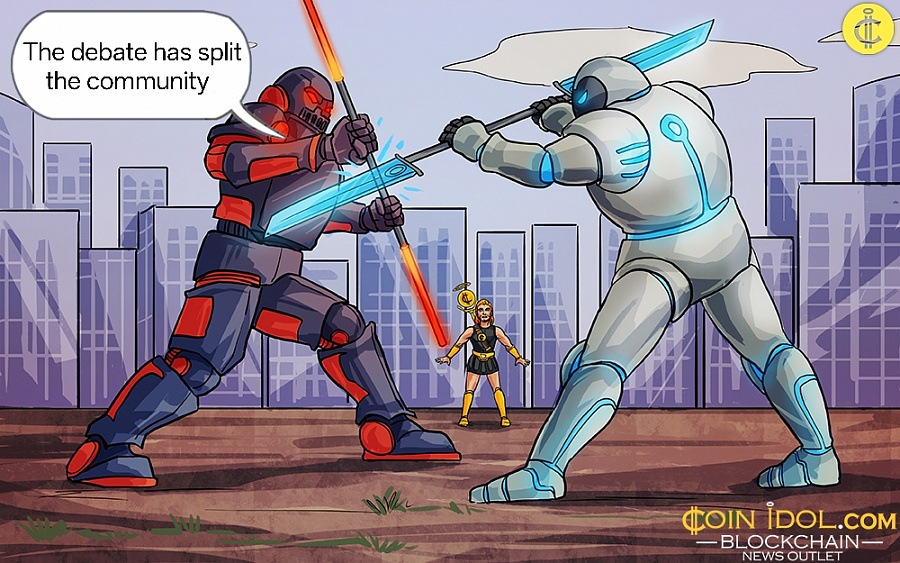
However, Lopp and his supporters contend that a sudden "quantum dump" of 25% of the total supply would cause a systemic collapse of the entire crypto economy. The debate has split the community into "Survivalists", who want to protect the price and the network's future, and "Purists", who believe that once you allow a blacklist for "the greater good," the decentralized experiment is over.
As developers scramble to draft BIP-2026-Q (a Post-Quantum Cryptography soft fork), the fate of Satoshi’s fortune has become a proxy for the future of digital property rights in a post-classical world.
Disclaimer. The data provided is collected by the author and is not sponsored by any company or token developer. This is not a recommendation to buy or sell cryptocurrency and should not be viewed as an endorsement by Coinidol.com. Readers should do their research before investing in funds.
News
Price
Blockchain
News

(0 comments)